Speak To Me is a disability-led campaign built to change how people communicate.
We are a campaigning and storytelling platform led by lived experience. We give disabled people space to share their own views, challenge assumptions and influence the conversations and decisions that affect their lives.
Our mission is to make direct, respectful and accessible communication the normal starting point. We want organisations, services, employers and the public to address disabled people first, listen properly and provide the time or support each person needs to communicate.
Our mission
To create a society where disabled people are spoken to, heard and included as equal participants in their own lives.
Lived experience leads.
Meet the founder
Led by lived experience
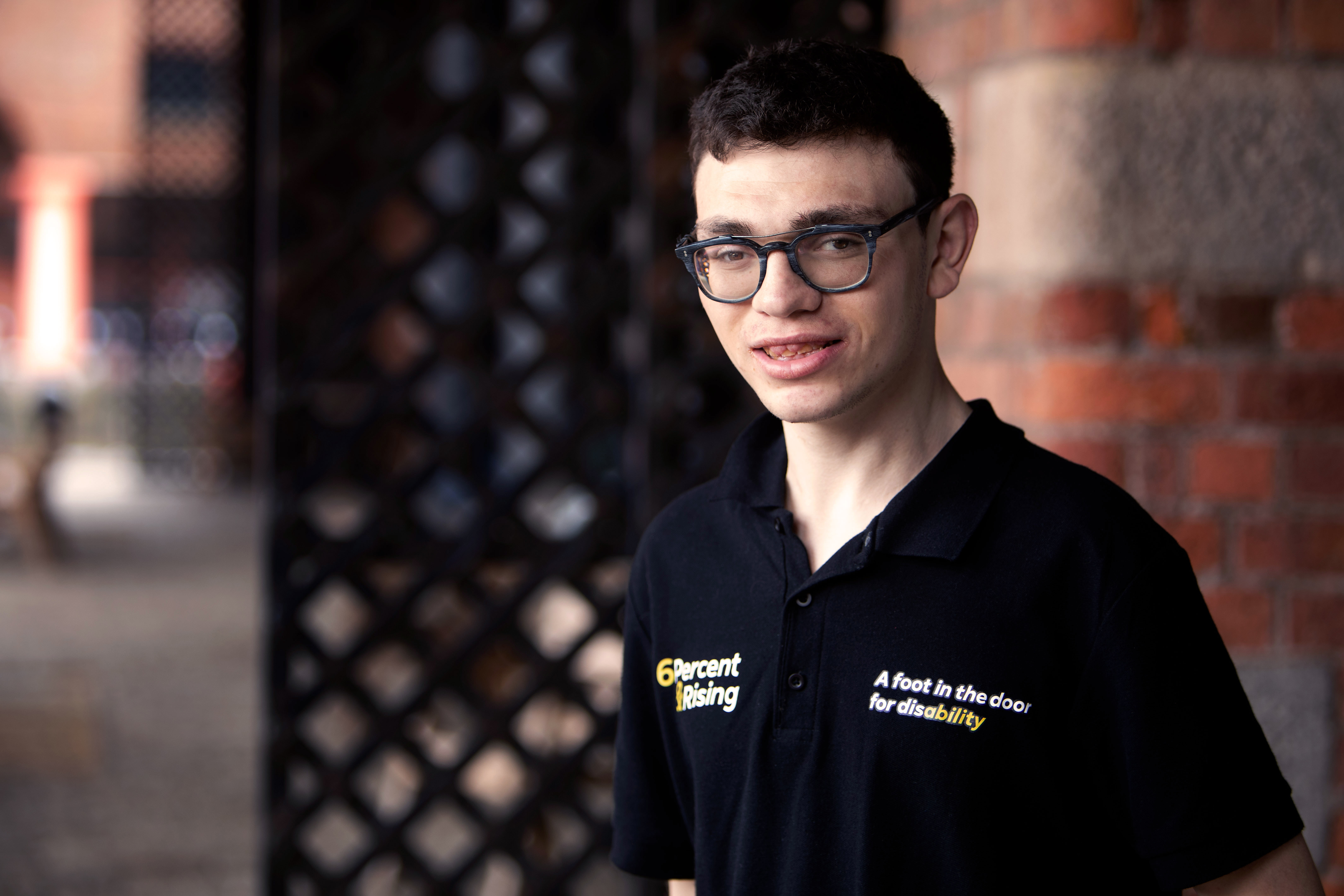
Speak To Me was founded in 2024 by Harry Georgiou, a disability rights advocate, campaigner and public speaker from Liverpool. Harry is registered blind and has a learning disability. His own experiences showed him how often people make assumptions before asking: “How would you like me to communicate with you?”
This platform is independent and disability-led. It is not about speaking on behalf of every disabled person. It is about opening the door so more people can speak for themselves.
Speak To Me began after repeated moments in which Harry was present but other people were treated as the decision maker. It can happen at a medical appointment, in a shop, at work or during an everyday conversation.
Someone sees a disability and makes an assumption before the person has had the chance to answer. The campaign turns those experiences into a clear message: start with the person and never confuse disability with an inability to communicate.
Speak To Me was also inspired by the No Decision Without Uscampaign film. Its message reflects what we believe: disabled people are citizens with the right to shape their own lives. We want a seat at the table wherever decisions are made—not a token invitation after everything has already been decided.
“Speak to me. Give me time. Let me answer for myself.”
Our campaigns
One message. Real-world change.
Speak To Me starts with direct communication, then follows the barriers into the places where disabled people are still overlooked. Each campaign is connected by the same principle: involve us from the beginning and listen to what we say.
01
Speak To Me
Our central campaign challenges people to address disabled people directly, make communication accessible and give us time to answer for ourselves.
We speak up about Access to Work, education, healthcare and public services when systems make disabled people fight for support that should enable participation.
Healthcare: speak to the patient about their body, choices and treatment.
Employment: recognise talent and ask what reasonable support will help someone thrive.
Education: include the learner in decisions about their own future.
Public services: make information accessible and allow enough time for an answer.
Everyday life: address the person first—whether they are with a carer, parent or support worker.
What we stand for
01
Direct communication
Speak to the person—not around them.
02
Dignity
Every conversation should begin with respect.
03
Inclusion
Access is part of the conversation from the start.
04
A seat at the table
Nothing about us without us. Lived experience must help make the decision.
How we use evidence
Lived experience and facts have different jobs.
01
Personal experience
When Harry or a contributor describes something that happened to them, we present it as their experience. One story can expose a barrier, but it does not claim to represent every disabled person.
02
National figures
Statistics are linked to their original source and labelled with the year and population they describe. We avoid applying a figure to a wider group than the data covers.
03
Campaign position
Calls for change are clearly presented as what Speak To Me believes should happen. Evidence informs the campaign, while disabled people’s voices guide its priorities.
The Speak To Me quiz
Are people really listening?
Tell us how people communicate with you. Your answers help us understand what needs to change.
 We need
 Lived
Lived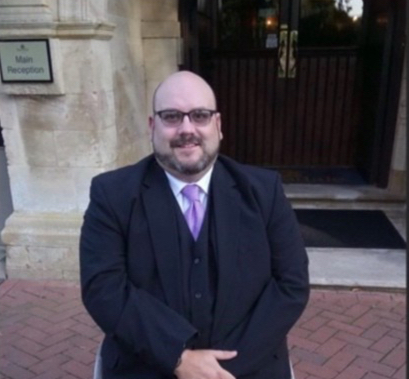 Don’t
Don’t